
( Our projects )
Penyagolosa
Trail Saludable
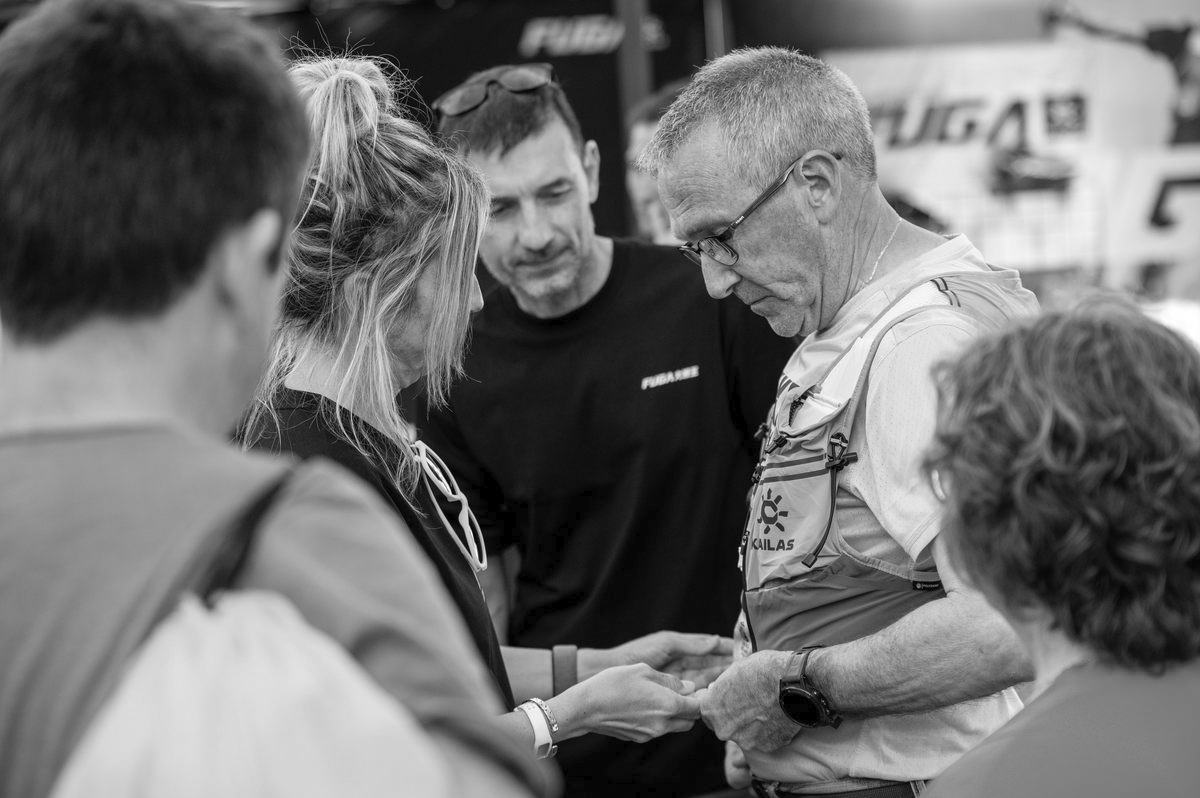
FUGA Penyagolosa Trails maintains an unwavering commitment to research applied to sports science and health. As a result of this dedication, and in partnership with Universitat Jaume I, Penyagolosa Trail Saludable was born: a scientific project studying health, performance, and recovery in ultra-endurance runners.
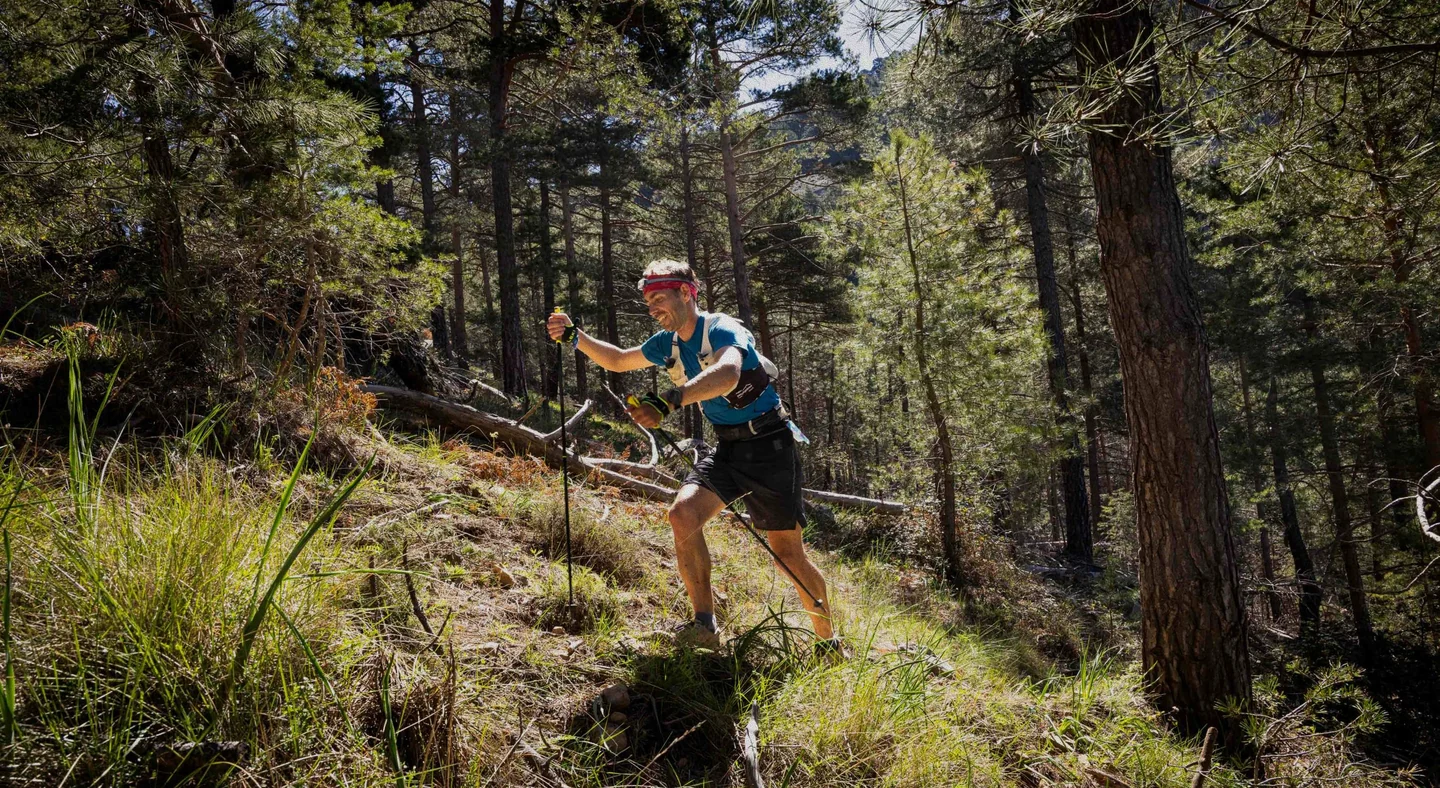
Through diverse studies conducted within the framework of the CSP, researchers across multiple disciplines examine how the human body responds to prolonged exertion, generating insight that enhances training methodologies, injury prevention, and safe trail running practice.
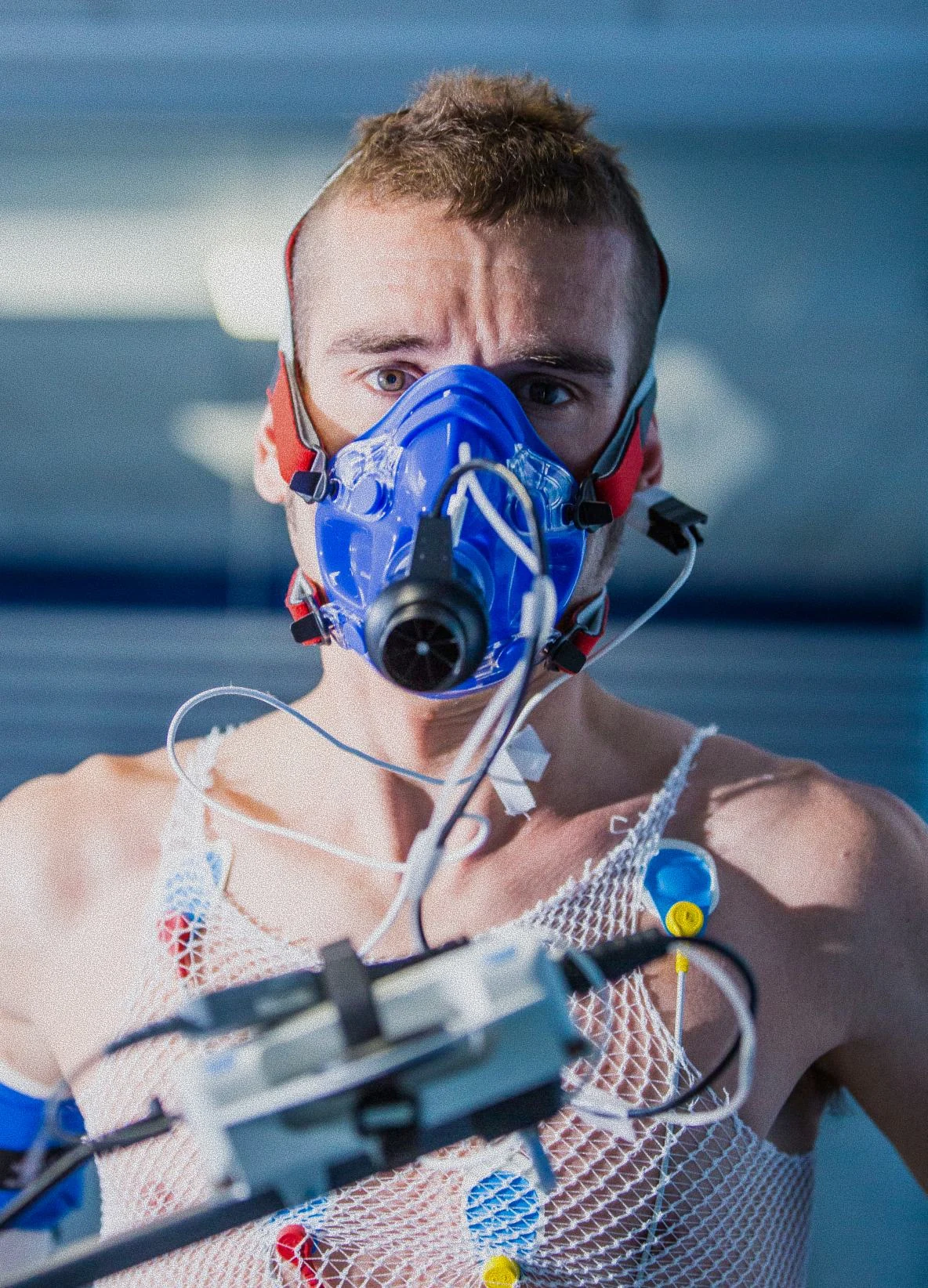
Key research lines include:
- Training habits and preparation.
- Health status and physical conditioning.
- Nutrition and recovery.
- Physiological and biochemical markers.
- Psychological dimensions related to performance.
- Influence of terrain and environmental race conditions.
Findings from these studies advance scientific knowledge in trail running and establish evidence-based strategies promoting safer, healthier, and more efficient athletic performance.
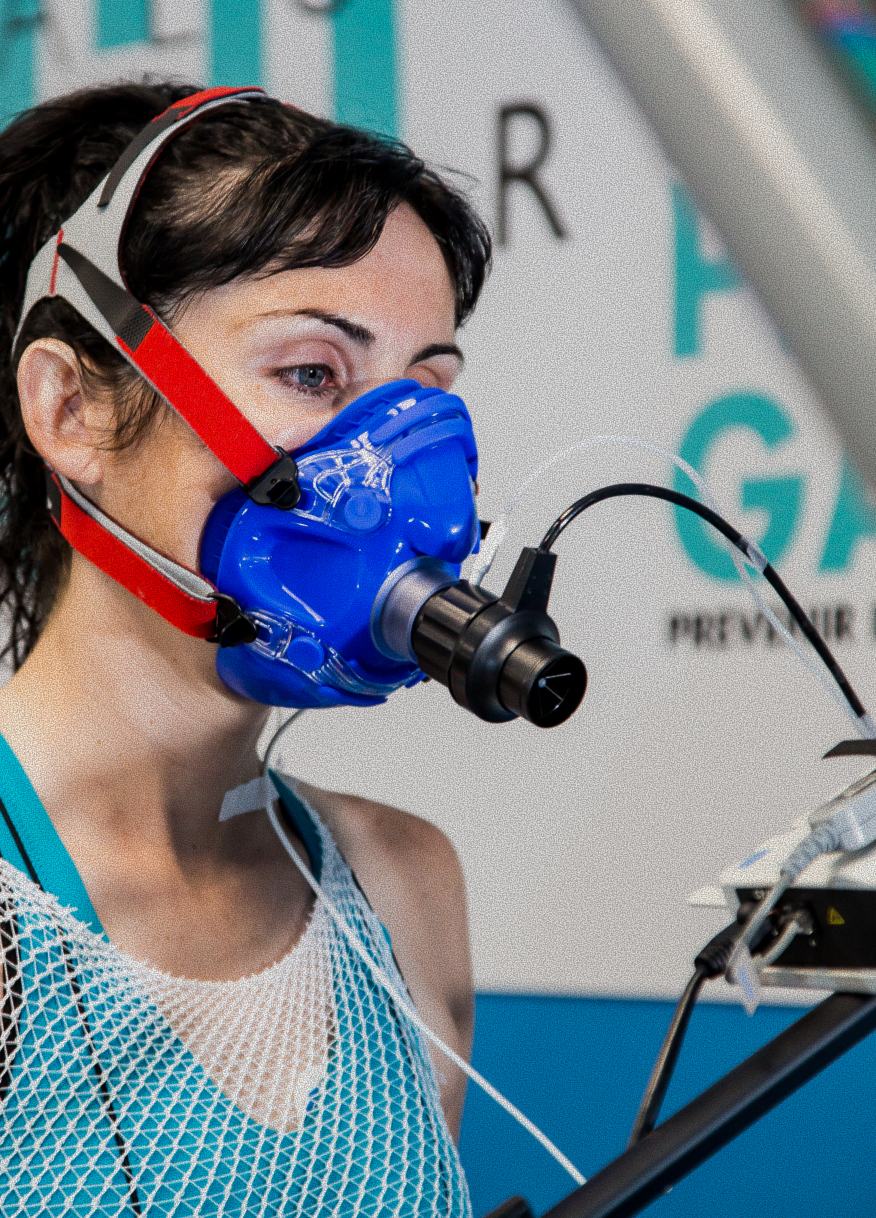
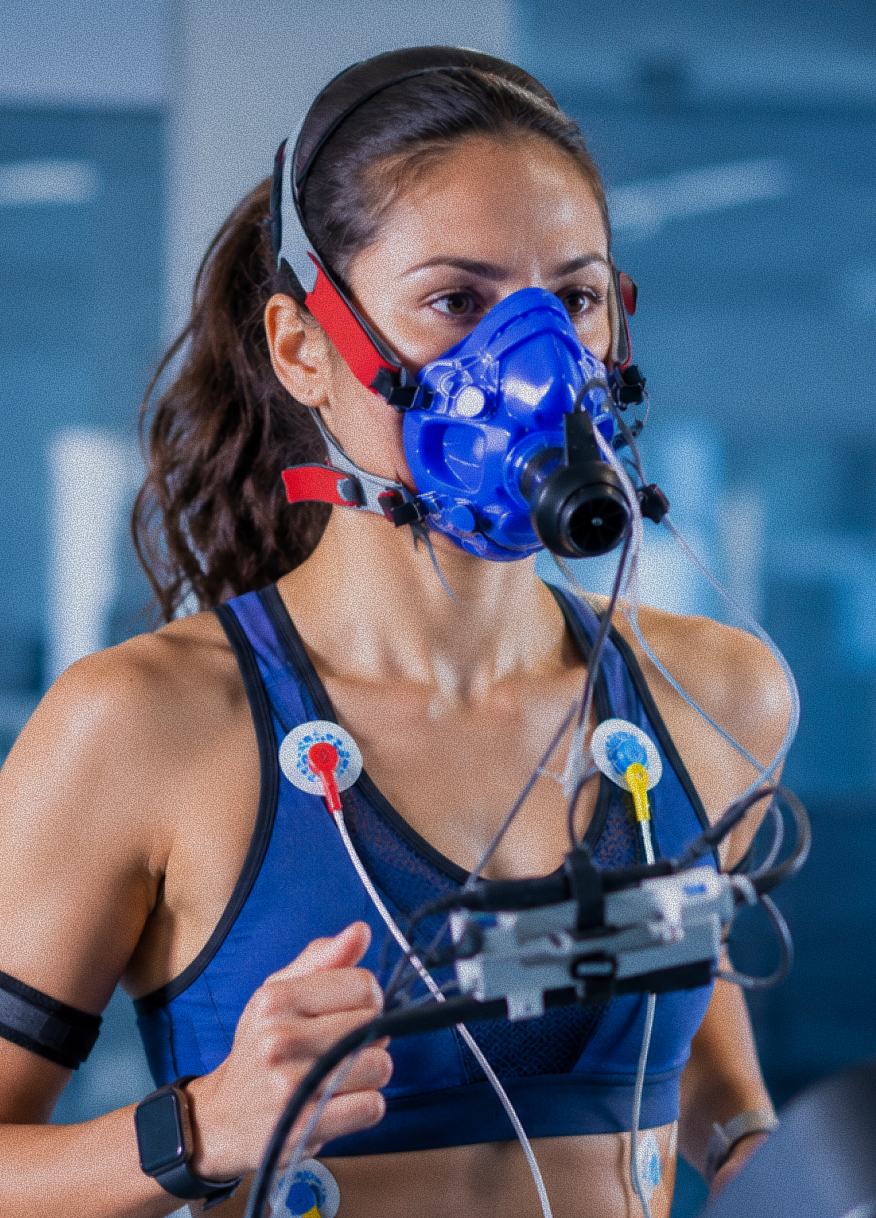
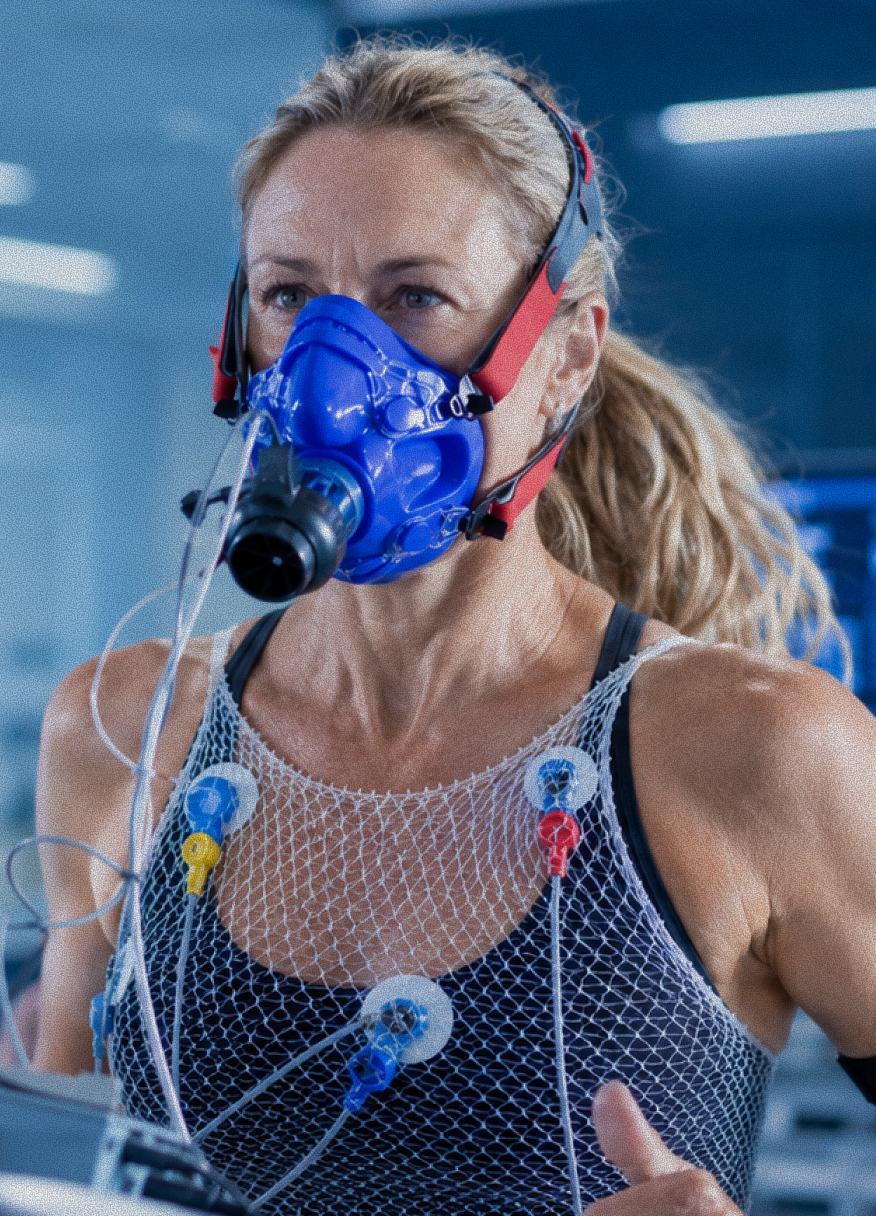
Penyagolosa Trail Women
As an integral part of this scientific line emerged Penyagolosa Trail Women, a project dedicated to exploring the specific physiological, hormonal, and psychological characteristics of female athletes competing in ultra-distance events.
The goal is to generate scientific evidence that supports customized training, recovery, and injury prevention strategies tailored to female runners, while actively promoting women's sports research in a field where major knowledge gaps still persist.
Study publications
Publications available via the individual links on this page.
Publication year:
Evolution of body mass, height and BMI in participants of the CSP-115 ultratrail
Publication year:
Publication year:
Publication year:
The effect of long-term ultra-endurance exercise and SOD2 genotype on telomere shortening with age
Publication year:
Hematological variability analysis after road marathon vs ultratrail. Predictive factors.
Publication year:
Publication year:
Effects of wearing a full body compression garment during recovery from an ultra-trail race
Publication year:
Publication year:
Muscle Cramping in the Marathon: Dehydration and Electrolyte Depletion vs. Muscle Damage
Publication year:
Ultra Trail Performance is Differently Predicted by Endurance Variables in Men and Women
Publication year:
Publication year:
Publication year:
Publication year:
Pulmonary and Inspiratory Muscle Function Response to a MountainUltramarathon
Publication year:
Pacing and Body Weight Changes During a Mountain Ultramarathon: Sex Differences and Performance
Publication year:
Variables related to exercise dependence and quality of life in amateur long-distance runners
Publication year:
Publication year:
Publication year:
Publication year:
Muscle Cramping in Ultra-Trail: Dehydration and Electrolyte Depletion versus Muscle Damage
Publication year:
Publication year:
Inflammation, muscle damage and post-race physical activity following a mountain ultramarathon